
Welcome
بِسْمِ اللهِ الرَّحْمٰنِ الرَّحِيْمِ
Hello, salaams and welcome. I’m Oluwatosin (she/her), and I’m happy that you’re here, considering therapy and considering working with me.
Starting therapy can be hard; I’m hoping I can make it a little easier for you.
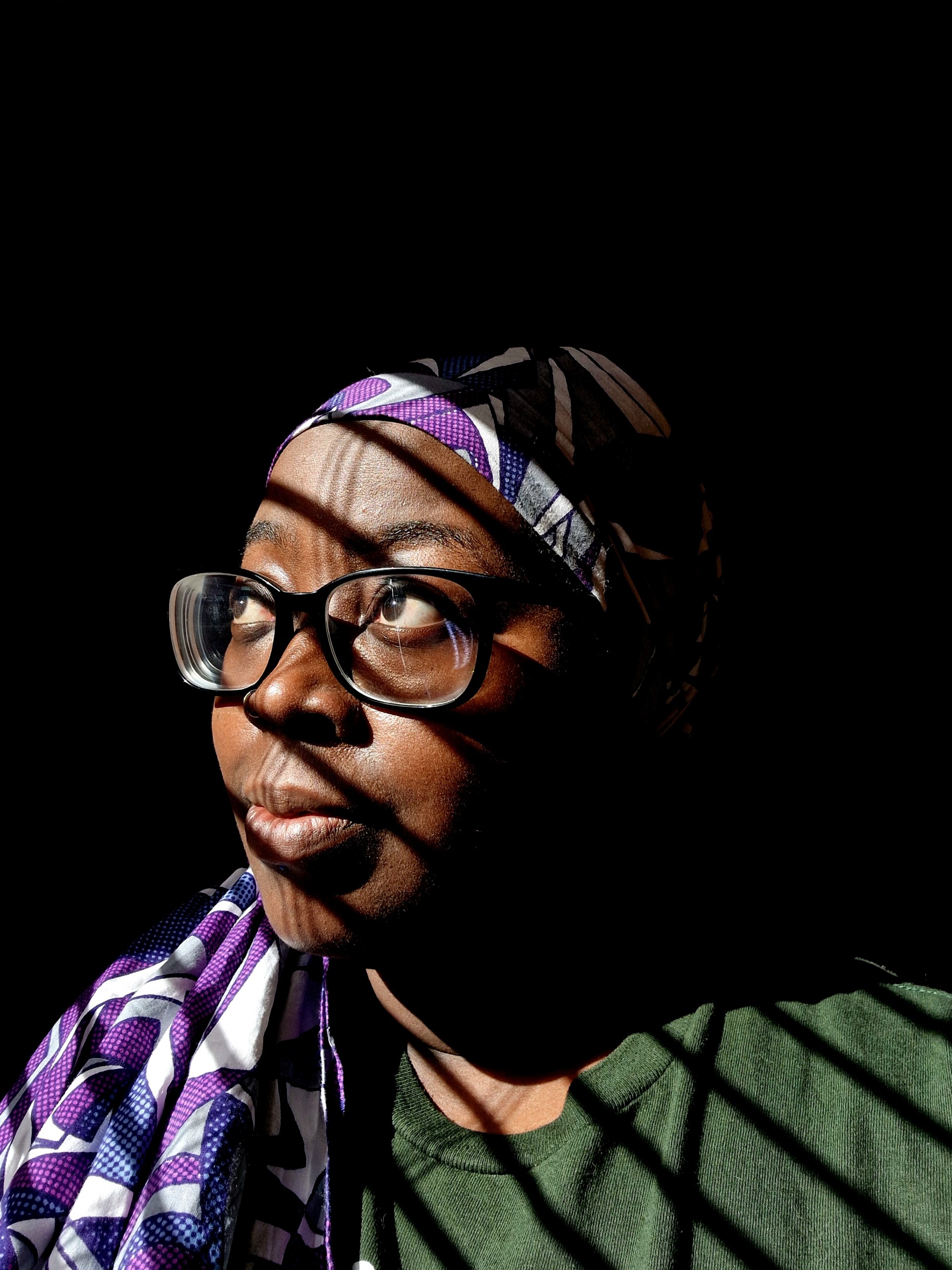
I invite you to bring all the parts of your selves and show up just as you are.

Let’s explore the spaces where the light gets in, then find out what’s beyond them.


Are you ready to take the next steps? Find out more below and get in touch.
About me
I qualified as a person-centred therapist from Strathclyde uni back in 2013, and have practised in a variety of settings since. Amongst other things, I offered therapy at Women & Girls Network; set up and co-ran therapy services for the Refugee Council Children’s Section and for South London Refugee Association; and facilitated online therapeutic sessions for a Migrant Women’s mutual aid group.
My formal qualifications have been further developed by continuous professional development (CPD) that includes Freedom From Torture’s course on working with people who have experienced torture; somatic healing courses by Healing Justice London; Ncazelo Ncube’s Tree of Life project and Black Psychotherapy’s certificate in Anti-Oppressive Practice.
I also bring learning from a constellation of other sources, including but not limited to GEM Collective, Synergi’s Abolitionist Peer Group, Inclusive Mosque Initiative, Radical Therapist Network, BAATN; the works of Kai Cheng Thom, Imani Barbarin; my family; far too many pop culture references to mention; and various loved ones, not least the late Dr Azeezat Johnson. I am grateful for the wisdom and support I have received and continue to from supervisors and therapists, past and present.
I am a registered member of the British Association for Counselling and Psychotherapy (BACP), the Black, African and Asian Therapy Network (BAATN) and the Black Psychotherapy Practitioner Network.
Areas of therapeutic experience
I have provided individual and group therapy, crisis management therapy, and trauma-informed therapy for charities, therapy centres, college students, and community groups, and am now taking a step into private practice. A selection of areas of experience and preferred focus include:
- ADHD in young people and adults
- Anxiety, low mood and depression
- Crisis Management
- Disability and chronic illness
- Exploring personal identities including cultural, racial, sexual
- Faith and spirituality
- Gendered violence
- Immigration/the asylum system
- Living under oppressive systems
- PTSD
- Trauma
My practise is open to all, but I particularly look to work with women and folk of marginalised genders who are Black or of colour, and who may be Muslim; D/deaf, disabled, neurodiverse and/or chronically ill; QTBPOC; and/or from a migrant background.
How I work
My therapeutic practice has its foundations in the person-centred approach, which I understand to mean fundamentally trusting, centring and following your lead as the person who knows yourself best, while providing a boundaried, curious, reflective and non-judgemental space to explore the issues you bring. My work is founded in trauma-informed care – considering the impacts of trauma in our lives, I aim to provide a softer, safer space for you to bring all the parts of yourself, process your experiences and move towards healing.
To this, I also bring an abolitionist and decolonial mindset; in this context, that looks like allowing for connection, bringing as much of my whole self to our work as feels relevant and appropriate – being human rather than rigidly “professional”, and allowing for things to take the time they take. We won’t be rushing on this journey, because transformation takes time. And there’ll be space for every emotion to make an appearance – including rage, despair, sadness and joy.
What you can expect from our work together
We’ll start with a free 20 minute discovery call, a chance for you to ask any initial questions and for us to work out if we could be a good match to work together.
If we decide to go ahead, I will offer you a series of weekly 50 minute sessions, via a secure on-line platform. In our first full session we will discuss what brings you to therapy, your hopes and expectations, and details such as whether this will be short or long term. This will also be when we go through the therapy contract and agree how we will work together, including a discussion of access needs and accommodations.
You may find that I’m not the right fit, and that’s ok – therapy is a vulnerable process, and you get to decide if things don’t feel right, before we get started or anywhere along the journey.
What our sessions will look like
In our sessions, I will use questions and gentle challenges to support you to explore issues you want to address. Silence will also be an integral part of our work, allowing you time to reflect and maybe reach a particular feeling, question or realisation, rather than rushing you for answers you may not yet be in touch with. We may not reach clear cut solutions, but you will hopefully arrive at a clearer understanding of yourself and difficult life events you have experienced or are going through.
Although the therapy space can feel like one that exists outwith your usual day to day, where appropriate, I will bring in the context of your identity and the world around you, as this inevitably impacts your capacity and capability to face what you’re dealing with.
Fees
I offer a free 20 minute call for you to ask questions and for us to get a bit more of an idea of if and how we might work together – get in touch below to book a call.
My fees are charged on a sliding scale, based on Alexis J Cunningfolk’s Green Bottle method – see rates and explanation below.
I offer a limited number of concessionary rates, with a fee based on your personal circumstances – get in touch to check availability and discuss.
Organisational rates – I welcome clients whose therapy is paid for by their organisation. Please contact me to discuss these fees, as they differ to those below, though are similarly sliding, based on the organisation.
£95
higher rate
£70
middle rate
from £45
lower rate
| Choose if you: | Choose if you: | Choose if you: |
| – are comfortably able to meet all of your basic* needs – may have some debt but it does not prohibit attainment of basic needs – you own your home or property OR rent a higher-end property – own or lease a car – are employed or do not need to work to meet your needs – have access to financial savings – you have an expendable** income – you can always buy new items – you can afford an annual vacation or to take time off | – may stress about meeting your basic needs but still regularly achieve them – may have some debt but it does not prohibit attainment of basic needs – own or lease a car – are employed – might have access to financial savings – have some expendable income – are able to buy some new items & thrift others – you can take a vacation annually or every few years without financial burden | – frequently stress about meeting basic needs & don’t always achieve them – have debt and it sometimes prohibits you from meeting your basic needs – rent lower-end properties or have unstable housing – do not have a car and/or have limited access to a car but are not always able to afford petrol – are unemployed or underemployed – qualify for government assistance – have no access to savings – have no or very limited expendable income – rarely buy new items because you are unable to afford them – cannot afford a vacation or to take time off without financial burden |
* Basic Needs include food, housing, health care, and transportation.
** Expendable Income might mean you are able to buy coffee or tea at a shop, go to the movies or a concert, buy new clothes, books, and similar items each month, etc.

